IBM i and AIX are both proprietary operating systems developed by IBM for its Power Systems hardware, but they represent divergent evolutionary paths. AIX, released in 1986, is IBM’s Unix-based OS derived from System V with BSD extensions, designed for general-purpose enterprise computing. IBM i, evolving from OS/400 (1988) and rooted in the AS/400/System/38 lineage, is a highly integrated environment optimized for business applications with a unique object-based architecture.
As of January 2026, both run exclusively on IBM Power processors (up to POWER10 and beyond), often alongside Linux partitions on the same hardware via PowerVM virtualization. They share the same physical platform but differ profoundly in design, philosophy, and use cases.
Table of Contents
Kernel and Core Architecture
- AIX: Monolithic Unix kernel compliant with UNIX 03 standards. It features a traditional POSIX environment with processes, filesystems (JFS2), and loadable kernel extensions. AIX includes advanced features like Workload Partitions (WPARs) for container-like isolation and Logical Volume Manager (LVM) for storage.
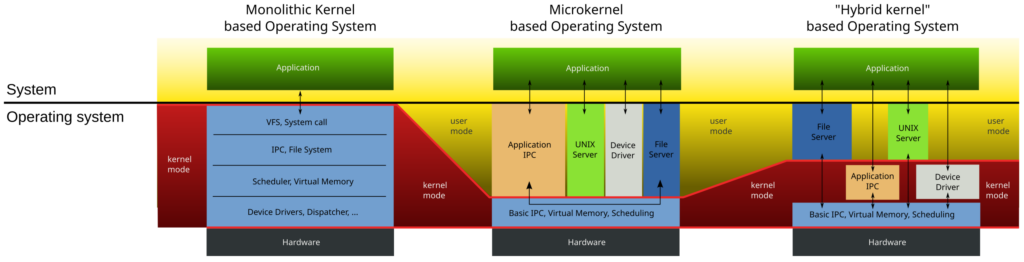
- IBM i: Layered architecture with System Licensed Internal Code (SLIC) as the low-level microcode/hypervisor-like layer, Technology Independent Machine Interface (TIMI) for hardware abstraction, and the higher-level operating system (formerly XPF). This enables exceptional backward compatibility—applications from 1988 run unchanged on modern hardware via TIMI recompilation.
- Key Differences: AIX follows standard Unix conventions (e.g., uname -a works), while IBM i is non-Unix native (no direct POSIX kernel). IBM i’s TIMI/SLIC provides superior hardware independence and binary portability across Power generations.
Memory and Storage Management
- AIX: Standard virtual memory with paging/swapping, supporting large memory models and advanced features like Active Memory Expansion.
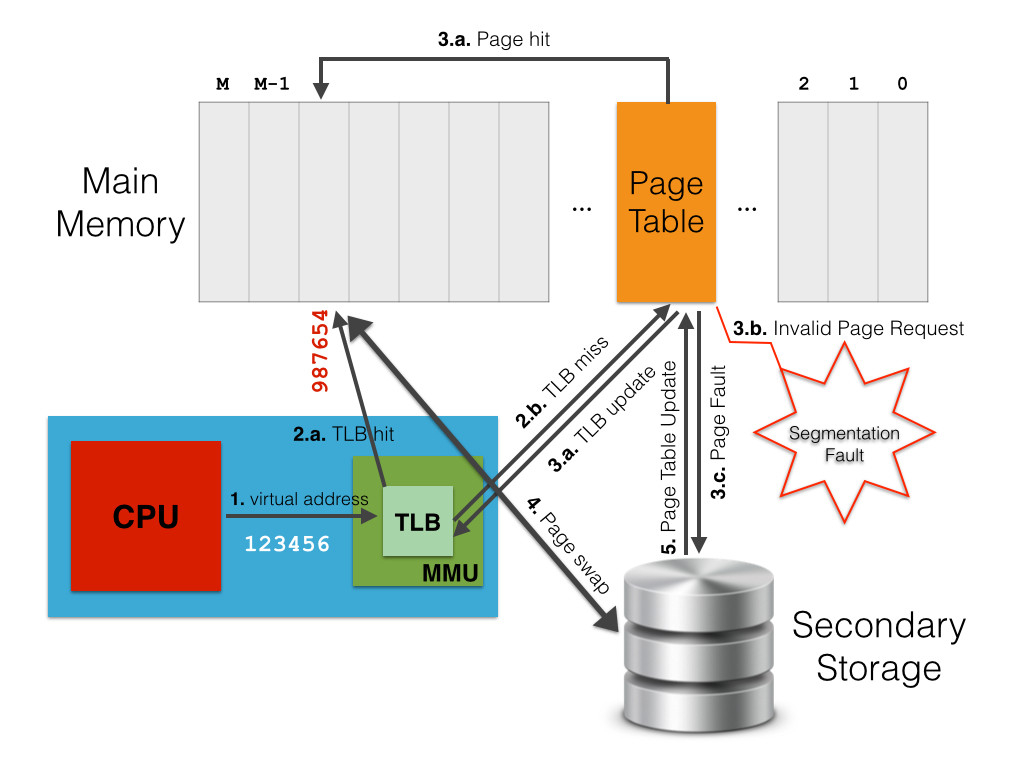
- IBM i: Single-Level Storage (SLS) unifies RAM and disk into one address space, automatically managed by SLIC. Objects persist seamlessly, simplifying development and enhancing reliability.
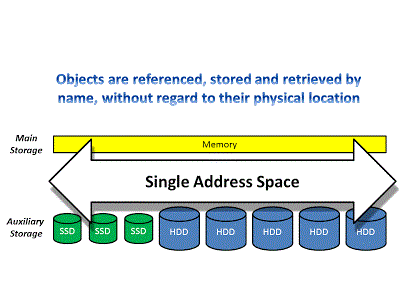
- Key Differences: IBM i’s SLS abstracts storage completely, ideal for database-heavy workloads; AIX uses conventional Unix paging, offering more flexibility for diverse apps.
File System and Object Model
- AIX: Hierarchical Unix filesystem (/ root) with stream files, inodes, and permissions (chmod, ACLs).
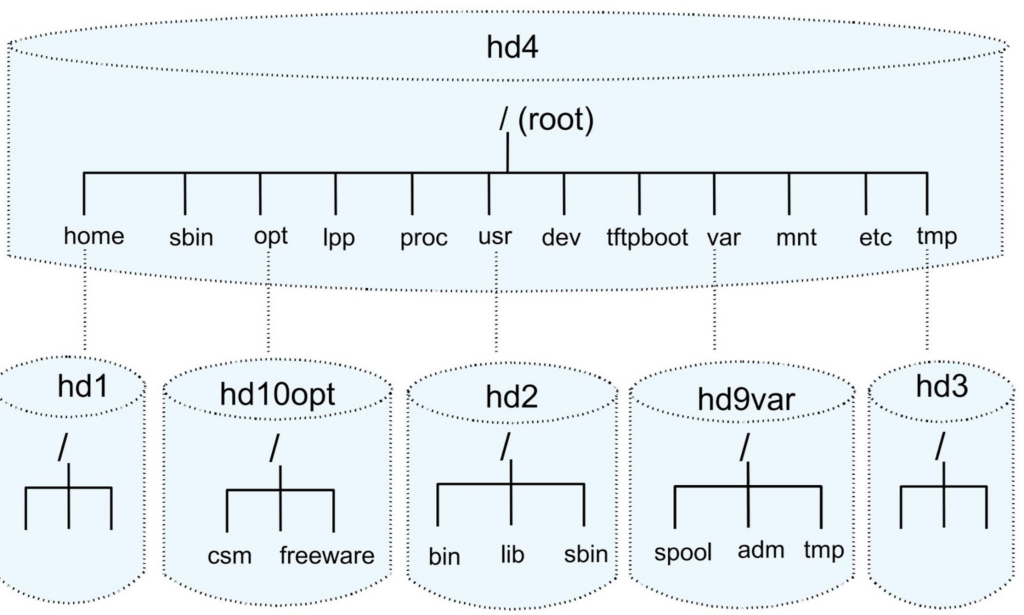
- IBM i: Object-based—everything (*PGM, *FILE, *LIB) is a typed, encapsulated object in libraries. Integrated File System (IFS) adds Unix-like hierarchical access (/QSYS.LIB, /QOpenSys) for compatibility.
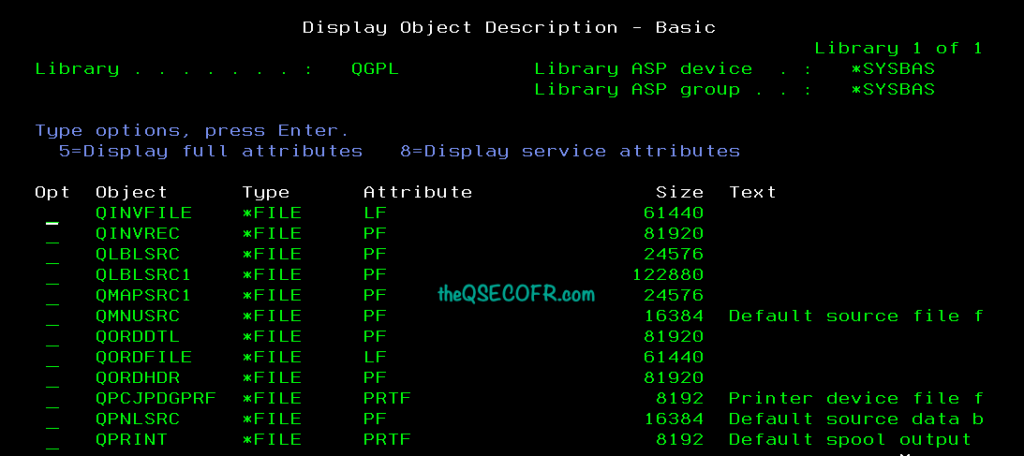
- Key Differences: IBM i enforces type safety and security via objects; AIX is byte-stream oriented, more familiar to Unix admins.
Database Integration
- AIX: No built-in database; relies on external RDBMS like Oracle, DB2 LUW, or PostgreSQL.
- IBM i: Db2 for i is deeply embedded in SLIC, with tables as native objects accessible via SQL or record-level I/O.
- Key Differences: IBM i’s integration excels for transactional business apps (e.g., ERP); AIX requires separate database setup.
Unix/AIX Compatibility on IBM i: PASE
IBM i includes Portable Application Solutions Environment (PASE), a runtime that provides binary compatibility for many AIX user-mode applications (32/64-bit ABI). PASE runs AIX executables directly without recompilation, emulating AIX system calls atop SLIC.
- Limitations: No full kernel access; some low-level calls or performance-intensive ops differ. PASE is not a full AIX instance—it’s optimized for integration (e.g., AIX apps can call IBM i programs or access Db2).
- Use Cases: Port open-source tools (Python, Node.js via RPM/YUM) or legacy AIX apps to IBM i without managing separate AIX partitions.
AIX has no equivalent for running native IBM i objects.
Security
Both are highly secure, but approaches differ:
- AIX: Role-Based Access Control (RBAC), Encrypted File System, Trusted AIX, PowerSC for compliance.
- IBM i: Object-level authorities (*USE, *CHANGE), auditing, and inherent virus resistance due to encapsulation.
- Key Differences: IBM i often considered more “secure by design” for business data; AIX offers advanced Unix security tools.
Performance and Virtualization
Both leverage PowerVM for LPARs (logical partitions) with high utilization.
- AIX excels in HPC, SAP, Oracle workloads with features like Dynamic Logical Partitioning.
- IBM i shines in high-transaction OLTP with integrated Db2 and low overhead.
Power Systems allow mixing: Run IBM i, AIX, and Linux partitions on one server.
Ecosystem, Skills, and Modernization
- AIX: Vast Unix tools, shells (ksh, bash), open-source ports via AIX Toolbox (RPM/YUM). Familiar to Unix/Linux admins.
- IBM i: Languages like RPG, COBOL, CL; modern support for Python, Node.js, Java via PASE. Tools like RDi for development.
- Key Differences: AIX has broader general-purpose software; IBM i dominates core business apps (e.g., Infor, JD Edwards).
Use Cases and Market Position (2026)
- AIX: Enterprise Unix workloads—SAP, Oracle, custom apps in finance/telecom. Strong in regulated environments needing UNIX certification.
- IBM i: Mission-critical business systems in manufacturing, retail, banking. Known for reliability, low TCO, and integrated stack.
Many organizations run both on Power Systems for consolidation.
| Aspect | IBM i | AIX |
|---|---|---|
| Origin | 1988 (OS/400/AS/400) | 1986 (Unix-based) |
| Architecture | Object-based, TIMI/SLIC, SLS | Unix System V + BSD |
| Database | Integrated Db2 for i | External (e.g., DB2 LUW, Oracle) |
| File System | Libraries + IFS (Unix-like) | Hierarchical Unix (/ ) |
| Compatibility Layer | PASE (runs many AIX binaries) | None for IBM i natives |
| Primary Workloads | Business apps, ERP, transactions | General enterprise, HPC, SAP |
| Admin Familiarity | Unique (CL commands, green screen) | Standard Unix/Linux |
| Current Versions (2026) | 7.5 (primary), 7.4 supported | 7.3 (latest TLs), 7.2 supported |
In summary, choose IBM i for integrated, secure business computing with minimal administration; choose AIX for flexible, standards-compliant Unix environments. On Power Systems, they complement each other—many sites run both alongside Linux for hybrid workloads.
- LANSA: AIX vs. IBM i: What is IBM AIX Used For? (2025) https://lansa.com/blog/app-development/aix-vs-ibm-i-what-is-ibm-aix-used-for/
- Fresche Solutions: AIX vs IBM i https://freschesolutions.com/glossary/aix-vs-ibm-i/
- GeeksforGeeks: Difference between AIX and IBM i (updated 2025) https://www.geeksforgeeks.org/operating-systems/difference-between-aix-and-ibm-i/
- Wikipedia: IBM i (architecture, history, and comparison notes) https://en.wikipedia.org/wiki/IBM_i
- Wikipedia: IBM AIX (Unix base, history) https://en.wikipedia.org/wiki/IBM_AIX
- Wikipedia: IBM i (detailed TIMI/SLIC layers and SLS) https://en.wikipedia.org/wiki/IBM_i
- IBM Support: IBM i Platform Support Details (TIMI abstraction) https://www.ibm.com/support/pages/ibm-i-platform-support-details
- IBM Documentation: Compiling your AIX source in PASE for i https://www.ibm.com/docs/en/ssw_ibm_i_76/rzalf/rzalfcompileaix.htm
- IBM Documentation: IBM PASE for i https://www.ibm.com/docs/en/i/7.3.0?topic=programming-pase-i
- Wikipedia: IBM i (PASE section) https://en.wikipedia.org/wiki/IBM_i
- Mono Project: Introducing Mono on AIX and IBM i (PASE details) https://www.mono-project.com/news/2018/05/29/mono-on-aix-and-ibm-i/
- IBM Support: Release life cycle (IBM i 7.5 primary, 7.4/7.3 supported with extensions) https://www.ibm.com/support/pages/release-life-cycle
- endoflife.date: IBM AIX (AIX 7.3 latest) https://endoflife.date/ibm-aix
- IBM Support: AIX support lifecycle information https://www.ibm.com/support/pages/aix-support-lifecycle-information
- Reddit r/IBMi: Why would a company choose IBM i over AIX? https://www.reddit.com/r/IBMi/comments/w5oysj/why_would_a_company_choose_ibm_i_over_aix/
- IBM Blogs: Various Power Systems myths (co-existence of AIX, IBM i, Linux) e.g., https://www.ibm.com/blogs/systems/top-ibm-power-systems-myths-ibm-aix-is-dead-and-unix-isnt-relevant-in-todays-market-part-1/