Frank Gerald Soltis, born in 1940, is an esteemed American computer scientist renowned for his pivotal role in shaping IBM’s midrange computing systems. Often hailed as the “father of the AS/400,” Soltis’s career spanned over four decades at IBM, where he served as the Chief Scientist for the System i platform. His innovative architectural designs, rooted in his PhD research, laid the foundation for systems that emphasized reliability, backward compatibility, and technology independence—principles that continue to influence enterprise computing today. This biography explores Soltis’s life, career milestones, and enduring legacy in the world of technology.
Table of Contents
Early Life and Education
Born in 1940, Frank Soltis grew up in an era when computing was still in its infancy. Details about his early childhood are sparse, but his passion for engineering and systems design became evident during his academic pursuits. Soltis pursued higher education in electrical engineering and computer science, culminating in a PhD earned in 1968. His doctoral research focused on advanced computer architectures, which would later form the basis for his groundbreaking work at IBM. This academic foundation equipped him with the theoretical knowledge to tackle real-world challenges in system design, particularly in creating platforms that could evolve without disrupting existing applications.
Joining IBM and Early Contributions
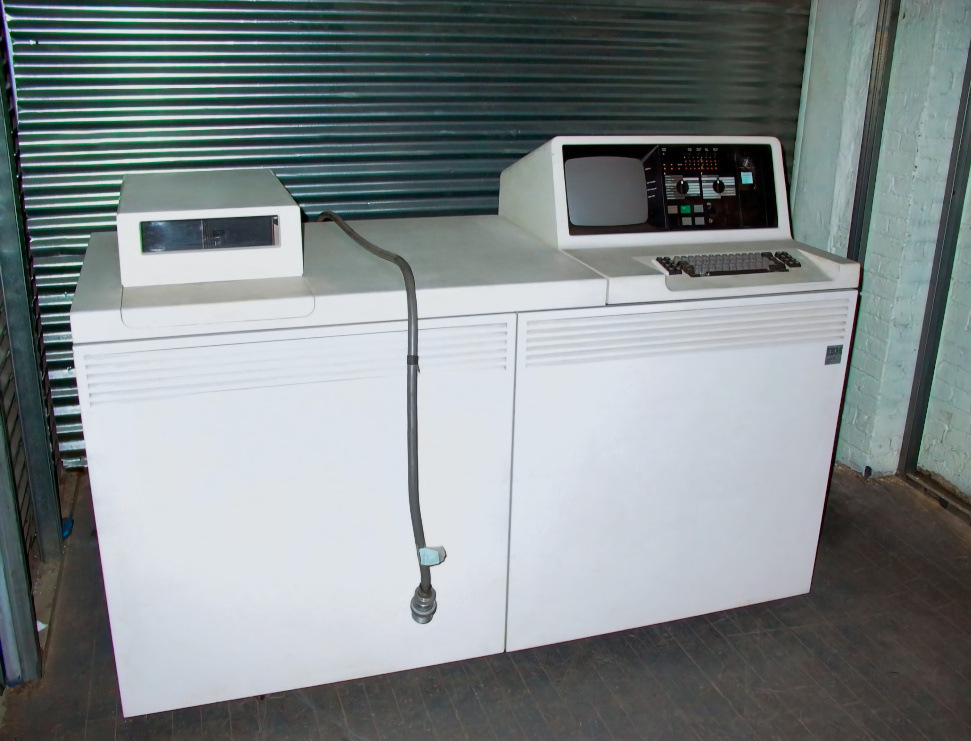
Soltis joined IBM in 1969, shortly after completing his PhD, and was assigned to the Rochester, Minnesota laboratory—a hub for midrange system development. His first major task was designing the successor to the System/3, leading to his involvement in the System/38 project. Introduced in 1979, the System/38 was revolutionary for its object-based architecture, single-level store memory management, and integrated database—concepts Soltis championed based on his research.
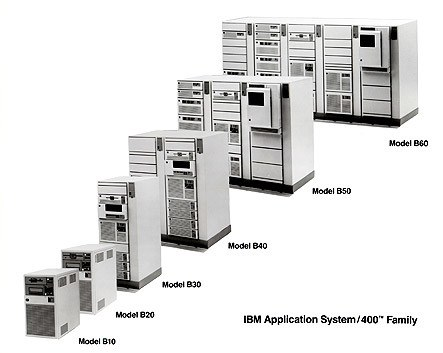
Throughout the 1970s and 1980s, Soltis held multiple patents for hardware innovations, contributing to IBM’s efforts to unify its fragmented midrange lineup. His work on the “Silverlake” project in the mid-1980s resulted in the AS/400 (Application System/400), launched in 1988. As the chief architect, Soltis ensured the AS/400 incorporated the Technology Independent Machine Interface (TIMI), allowing seamless transitions across hardware generations.
Rise to Chief Scientist and Key Achievements
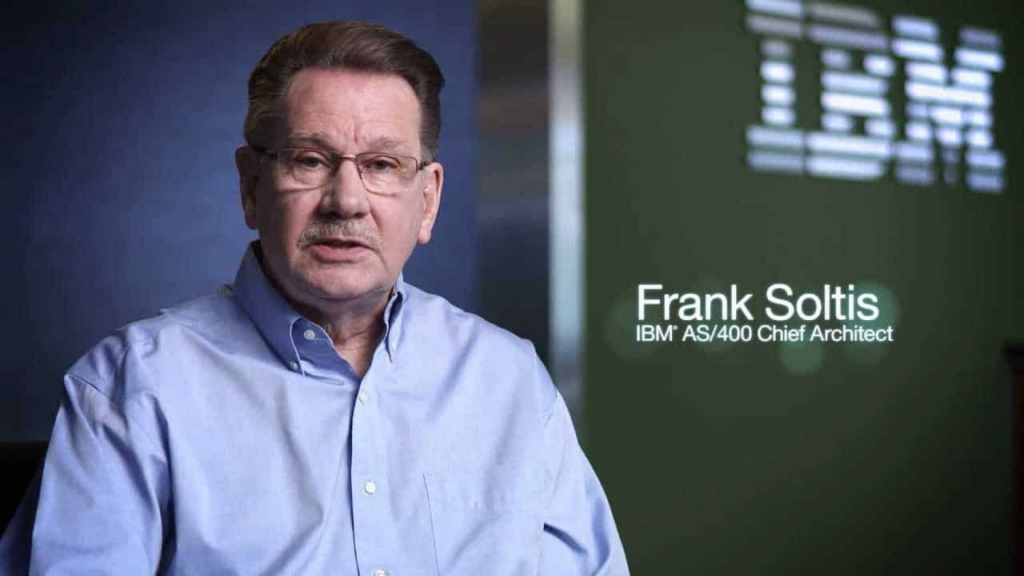
By the 1990s, Soltis had risen to the position of IBM Chief Scientist for the System i (formerly AS/400). He oversaw the platform’s evolution through rebrandings like iSeries and System i, integrating advancements in virtualization, security, and open-source support. Soltis’s designs protected business software investments by enabling applications from the 1980s to run unmodified on modern hardware, a feat that saved companies billions in migration costs.
One intriguing aspect of his career is a reported connection to the Xbox 360’s architecture, as noted in some sources, though this appears to stem from shared design philosophies rather than direct involvement. Over his 45-year tenure at IBM, Soltis amassed numerous accolades, including being named an IBM Fellow and holding patents that advanced processor technology and system integration.
Books and Thought Leadership
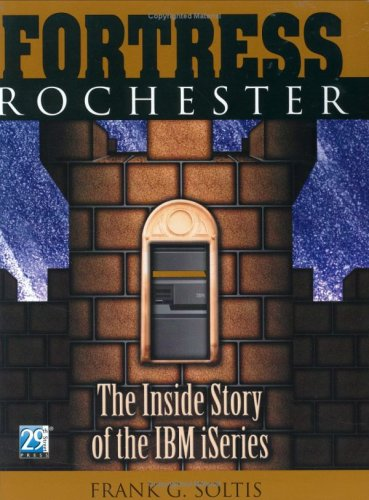
Dr. Soltis is also a prolific author, sharing his insights through books that demystify complex architectures. His seminal works include Inside the AS/400 (1995, with later editions) and Fortress Rochester: The Inside Story of the IBM iSeries (2001). These books provide in-depth explanations of the AS/400’s design principles, such as single-level store and TIMI, and have become essential reading for IT professionals.
In interviews and speeches, like those on the 35th anniversary of the AS/400 in 2023, Soltis reflected on the platform’s future, discussing potential integrations with AI and quantum computing. His thought leadership continues to inspire, as seen in podcasts and articles where he discusses evolving storage technologies.
Retirement and Legacy
Soltis retired from IBM in 2008 after 45 years of service, but his influence persists. The IBM i platform, now running on POWER10 processors, embodies his vision of resilient, adaptable systems. As of 2025, thousands of enterprises worldwide rely on technologies he architected, from banking to manufacturing.
Frank Soltis’s biography is a testament to innovative engineering that prioritizes longevity and user needs. His work not only transformed IBM’s midrange computing but also set standards for the industry, ensuring his place as a pioneer in computer science.
- https://en.wikipedia.org/wiki/Frank_Soltis Main Wikipedia entry on Frank Soltis, covering birth year (1940), education (PhD 1968), IBM career start (1969), role as chief architect for System/38 and AS/400, retirement (2008), books, and legacy.
- https://www.itjungle.com/2023/06/28/dr-frank-reminisces-on-35th-anniversary-looks-to-platforms-future/ IT Jungle interview with Frank Soltis on the 35th anniversary of the AS/400 (June 2023), discussing his design philosophy, TIMI, future of IBM i, and reflections on his career.
- https://www.itjungle.com/tag/frank-soltis/ Collection of IT Jungle articles and interviews featuring Soltis, including discussions on architecture, books, and platform evolution.