In an era where cyber threats evolve at breakneck speed, the security of enterprise systems like IBM i (formerly known as AS/400 or iSeries) cannot be left to chance. While IBM i has long been celebrated for its robust architecture and inherent security features, the notion that it is impervious to malware and ransomware is a dangerous misconception. As organizations increasingly integrate IBM i with heterogeneous environments—including Windows PCs, cloud services, and networked file shares—the attack surface expands, making native antivirus solutions not just advisable but imperative.
Delaying implementation invites unnecessary risks, from data encryption and exfiltration to crippling compliance violations and financial losses. This article delves into the reasons why antivirus protection for IBM i is essential today, explores the nature of malware and ransomware, debunks common myths, examines real-world attacks, and outlines the advantages of proactive defense strategies.
Table of Contents
Understanding Malware and Ransomware
Malware and ransomware are two distinct but related cybersecurity threats that pose significant dangers to modern IT infrastructures. Malware, short for “malicious software,” encompasses a broad category of harmful programs, including viruses, trojans, worms, spyware, and more. Its primary goal is to compromise, damage, or gain unauthorized access to computer systems or networks. Malware can infiltrate devices through various vectors, such as email attachments, malicious websites, infected software downloads, or even USB drives.
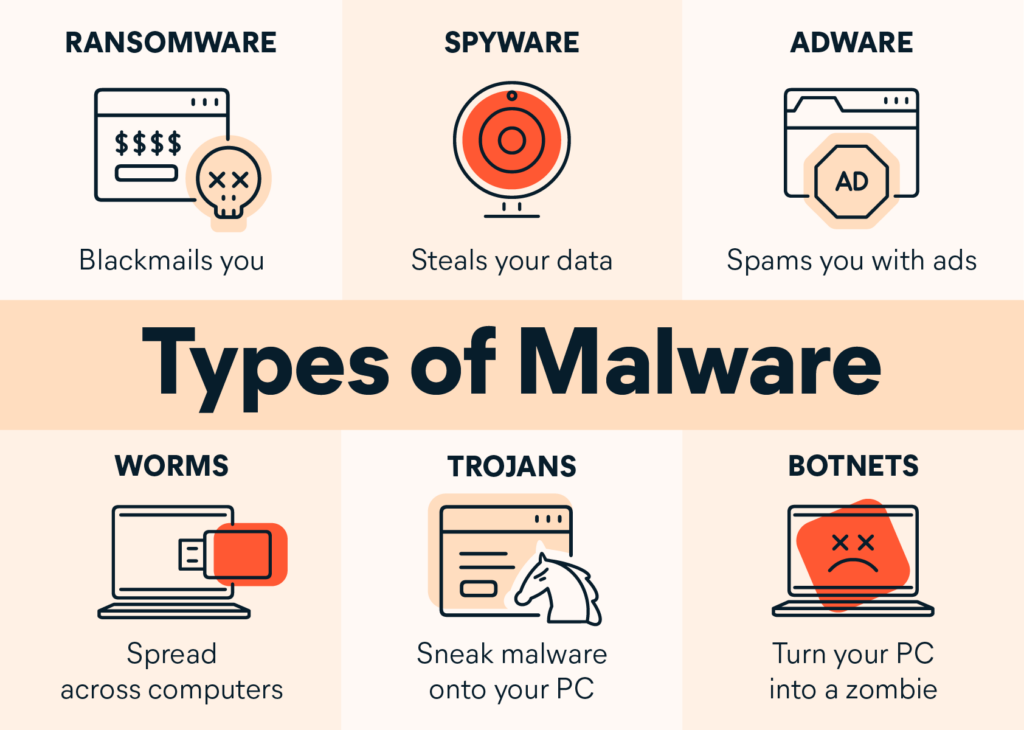
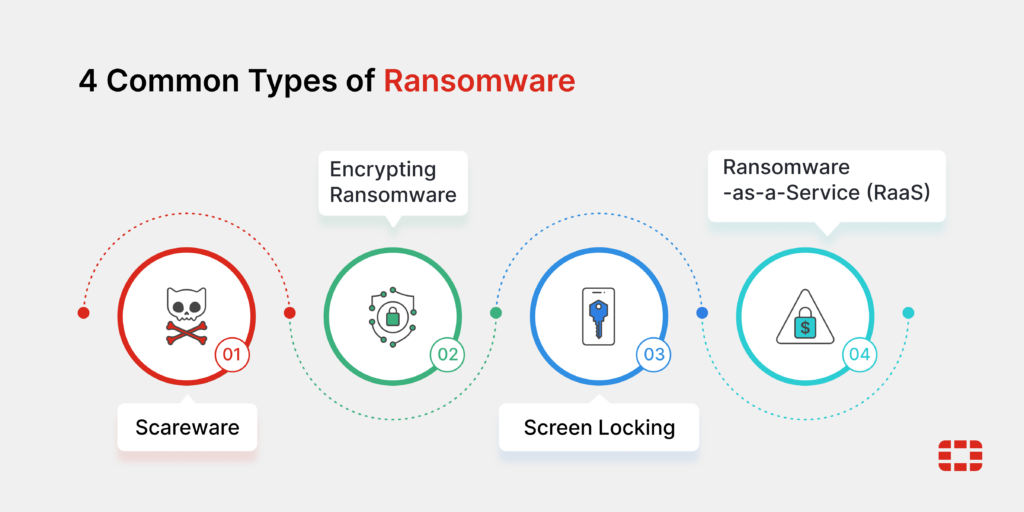
Ransomware, a specialized form of malware, takes this malice a step further by encrypting a victim’s files or entire system, rendering them inaccessible. Attackers then demand payment—typically in cryptocurrency—in exchange for a decryption key. The consequences can be devastating, leading to data loss, financial extortion, and operational downtime. Both threats highlight the need for robust cybersecurity practices, including regular software updates, strong password policies, user education, and dedicated antivirus tools. In the context of IBM i, these threats often manifest not through direct OS infection but via interconnected systems and shared file repositories.
Why It Matters: The High Stakes of Inaction
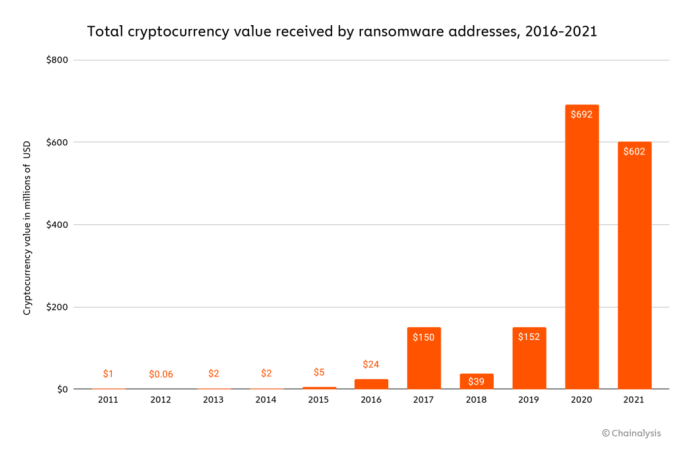
The primary target of cybercriminals is data, which holds immense value in today’s digital economy. In 2021 alone, organizations paid ransomware groups at least $602 million, with attackers either stealing sensitive information for resale on the dark web (e.g., social security numbers, credit card details, names, and addresses) or holding it hostage for decryption. The average cost of a data breach has escalated, reaching €3.9 million ($4.24 million) in 2021—a 10% increase from the previous year—and it takes an average of 287 days to detect, mitigate, and resolve such incidents.
Many organizations are bound by stringent regulatory requirements, such as PCI-DSS for payment card data, HIPAA for healthcare information, FISMA for federal agencies, the Gramm-Leach-Bliley Act (GLBA) for financial services, the UK Data Protection Act (DPA), and GDPR for European data privacy. Penalties for non-compliance can be severe; for instance, the UK’s Information Commissioner’s Office (ICO) fined a major airline £20 million following a breach. In regulated environments, antivirus software is often mandatory for servers storing sensitive data, making native solutions for IBM i a compliance necessity rather than an option.
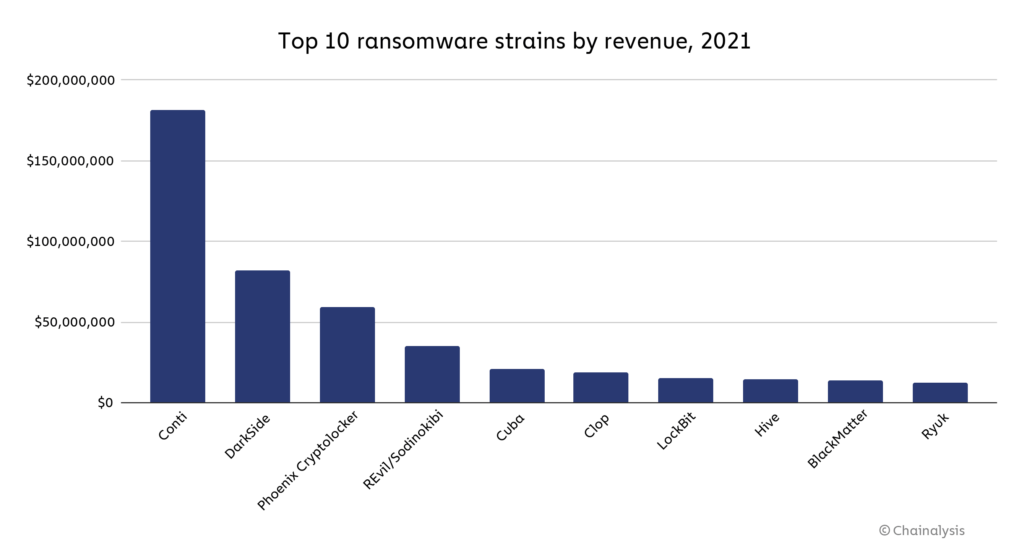
Beyond finances and regulations, the interconnected nature of modern business ecosystems amplifies risks. Cybercriminals no longer target isolated systems; they exploit vulnerabilities in any connected device to pivot across networks, seeking high-value assets. For IBM i users, this means that even if the core OS resists direct infection, shared resources like the Integrated File System (IFS) can become conduits for malware propagation.
Myth: IBM Power Systems Can’t Be Infected?
A common misconception is that IBM Power systems, including IBM i, are immune to viruses due to their architecture’s incompatibility with Intel (x86)-based threats. While it’s true that PC-based viruses do not execute natively on IBM i, AIX, RHEL, or CentOS running on IBM’s Power chipset, IBM has never claimed absolute immunity. Since V5R3 in 2004, IBM has integrated antivirus protections into IBM i, acknowledging evolving risks.
IBM i’s strength lies in its advanced security features, but as systems interconnect with enterprises, web services, partners, cloud platforms, and e-commerce, the threat landscape shifts. Malware typically doesn’t corrupt the IBM i OS directly because it’s often embedded in stream files, which IBM i cannot execute as programs. Thus, traditional threats like trojans, worms, rootkits, and spyware are less concerning for the core system. However, this doesn’t equate to full immunity.
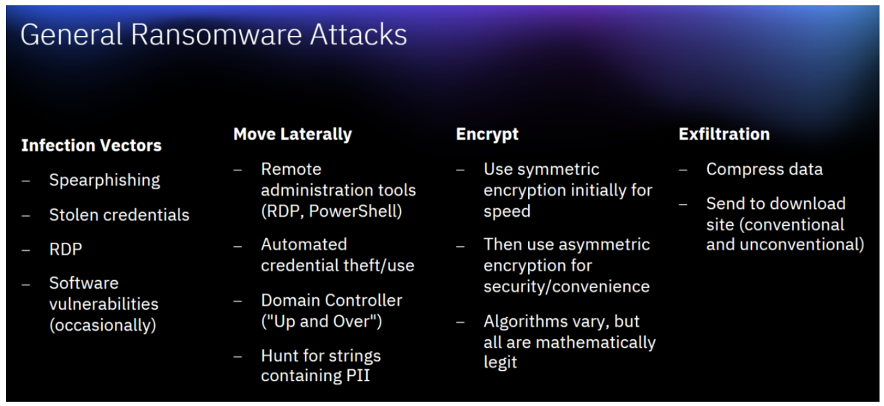
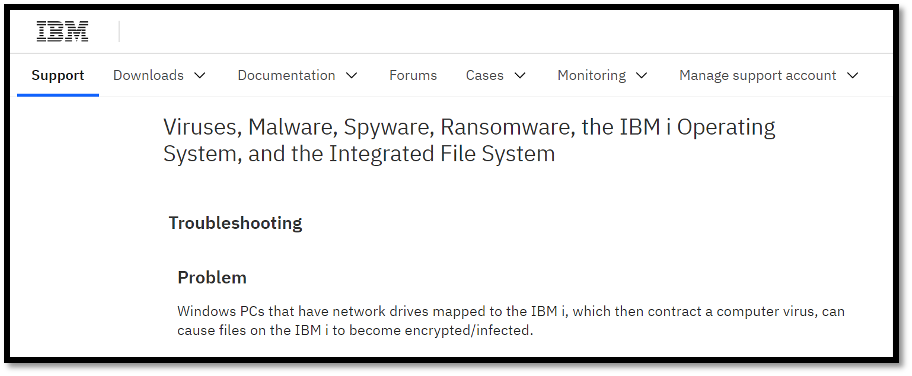
The IFS, which facilitates NetServer shares for Windows users and Network File Systems (NFS) for AIX/Linux, allows mapped drives to IBM i. If a PC is infected with Intel-based ransomware or malware, it can propagate undetected through the network, encrypting files in corporate shares—including the IFS, which is as vulnerable to encryption as any Windows or Linux file system. Cybercriminals have grown adept at disguising attacks, blending malicious communications with legitimate ones to lead users to compromised sites or downloads.
IBM explicitly recommends running antivirus solutions tailored for IBM i, especially in regulated contexts like PCI DSS. While viruses don’t run on the OS, infected files in the IFS can serve as infection sources for networked systems. Changes in V5R3 and V5R4 enabled antivirus scanning of file systems, but this requires third-party tools to fully leverage.
How Attacks Happen on IBM i
Ransomware and malware exploit IBM i primarily through its role as a file server. No known ransomware runs directly on IBM i, but risks arise from infected PCs via email, web injections, or social engineering. Files can be shared via FTP, SCP, removable media, or web servers, with the largest attack surface being NetServer (SMB) exposures like guest access, unnecessary shares, and broad directory mounts.
For example, attackers target file extensions like .docx, .xlsx, .pdf, .csv, and .zip, focusing on application data rather than the OS. Breaches involve data exfiltration (reading/copying), while encryption entails writing and renaming files. Double or triple extortion tactics—exfiltrating data before encryption or adding DDoS—compound the damage.
Known Attacks on IBM i Systems
While specific, high-profile ransomware attacks on IBM i are less publicized than those on Windows systems, documented incidents illustrate the real threats:
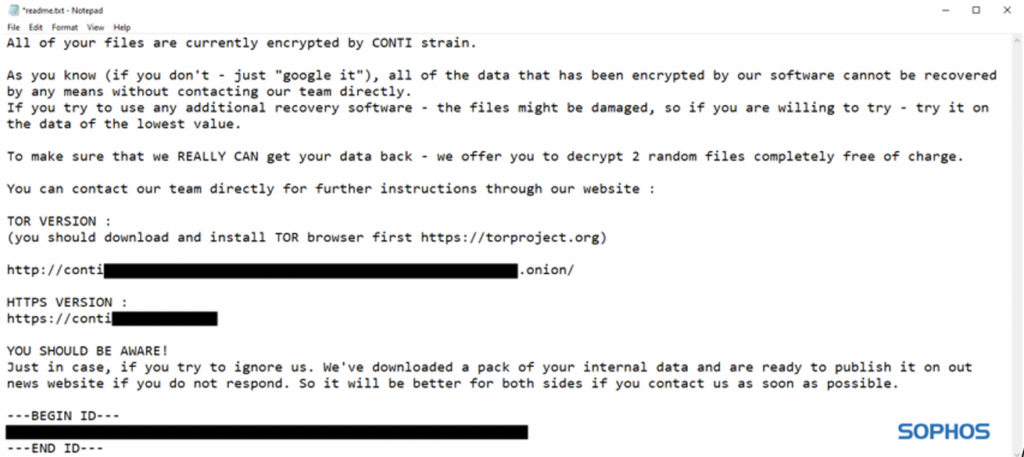
- 2021 Conti Ransomware Close Call: In May 2021, attackers exploited a Microsoft Exchange vulnerability via a malicious email attachment, gaining network access and deploying Conti ransomware. They encrypted Windows systems but spared the IBM i server, possibly due to its obscurity. The company faced a second attack days later, requiring a full wipe and reinstall. Recovery involved air-gapping IBM i, enhancing security with multi-factor authentication, TLS encryption, and outsourced firewall management.
- CryptoWall Encryption via Over-Privileged User: An IBM i user with *ALLOBJ authority opened an infected email attachment, allowing CryptoWall to encrypt over 500,000 IFS objects, including TCP/IP configs, WebSphere directories, and batch files. Cleanup took a month, highlighting the dangers of mapped drives and excessive privileges.
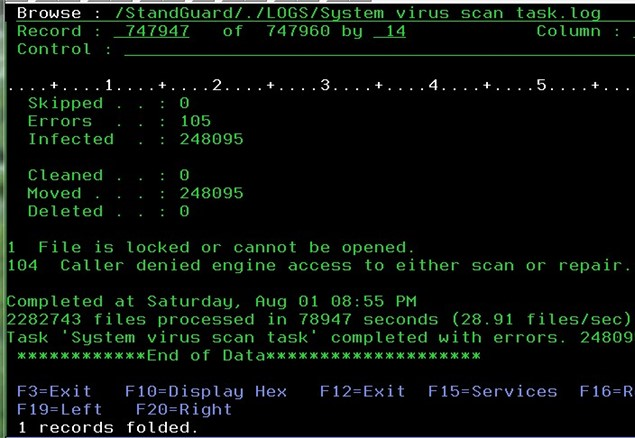
- Dormant Ransomware from 2017: In 2021, a scan revealed ransomware lingering from a 2017 attack, accessed recently and nearly reactivated. Antivirus tools contained and repaired it, underscoring how malware can persist undetected for years.
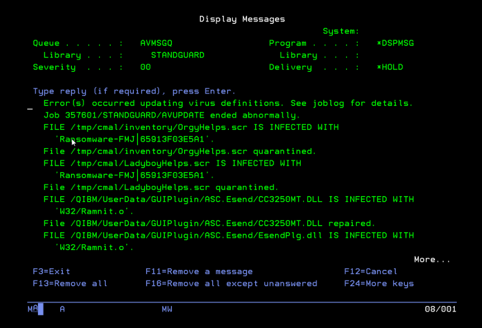
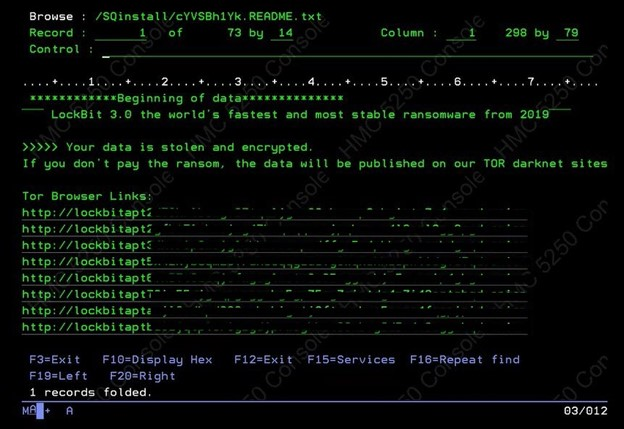
- W32/Klez.h@MM is a specific variant of the Klez worm, a windows-based virus that spread via email in the early 2000s. Klez was known for its ability to spread through email attachments and network shares. This worm could also infect files and when W32/Klez.h@MM infects a PC, it attempts to terminate processes associated with antivirus and security software. Even though this worm is more than 15 years old, it is still active and remains undetected by Windows-based endpoint protection/antivirus solutions by utilizing IBM i IFS (or AIX/Linux on Power) as a host.
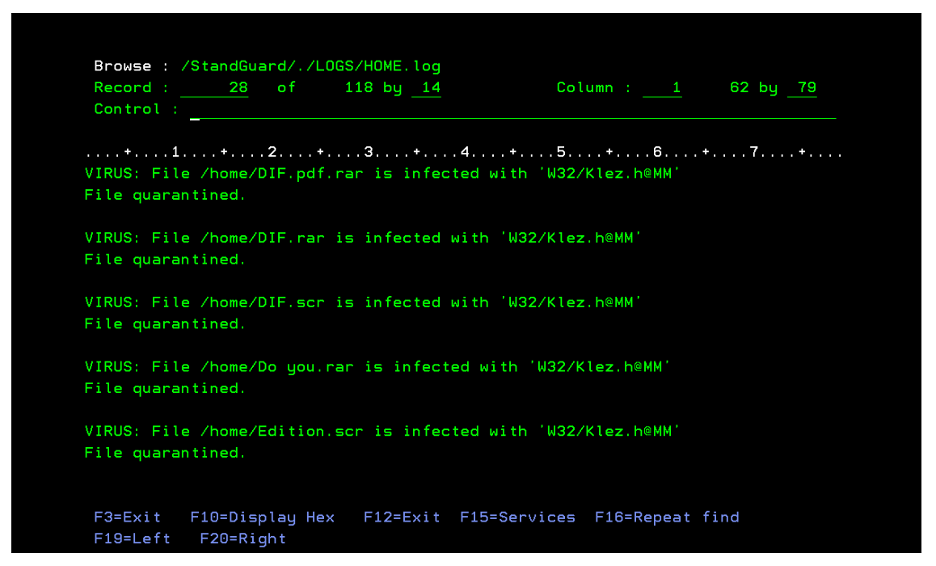
These cases demonstrate that while direct OS compromise is rare, IFS vulnerabilities enable significant disruptions.
IBM’s Recommendations and Best Practices
IBM advises disabling guest/anonymous access, minimizing shares/exports, setting read-only permissions, and using authorization lists. Implement canary files for detection, maintain segmented backups, apply PTFs quarterly, and conduct annual security assessments. Tools like exit programs can prevent executable file creation in IFS.
Championing Cybersecurity Resilience Now
In the digital age, where threats are persistent and interconnected systems amplify vulnerabilities, delaying antivirus implementation for IBM i is a gamble organizations can’t afford. From compliance mandates to the ransomware menace, native solutions fortify defenses, protect data integrity, and ensure operational continuity. By acting now—rather than later—businesses can build resilience against an ever-evolving threat landscape, turning potential catastrophes into manageable risks. The time to bolster IBM i security is today; tomorrow may be too late.
- Ransomware payments reached at least $602 million in 2021 -Chainalysis https://blog.chainalysis.com/reports/2021-crypto-crime-report-ransomware-payments/
- Average cost of a data breach in 2021: $4.24 million (IBM Cost of a Data Breach Report) IBM Security https://www.ibm.com/security/data-breach (2021 report)
- Average time to identify and contain a data breach: 287 daysIBM Security https://www.ibm.com/security/data-breach (2021 report)
- British Airways fined £20 million by ICO for data breachInformation Commissioner’s Office (ICO) https://ico.org.uk/about-the-ico/news-and-events/news-and-blogs/2020/10/ico-fines-british-airways-20m-for-data-breach/
- Viruses, Malware, Spyware, and Ransomware on the IBM i Operating System and Integrated File SystemIBM Support https://www.ibm.com/support/pages/viruses-malware-spyware-ransomware-ibm-i-operating-system-and-integrated-file-system
- IBM i security recommendations – protecting against ransomware and malwareIBM Systems Blog https://www.ibm.com/blogs/systems/protecting-ibm-i-from-ransomware/
- IBM i and ransomware: real-world examples and lessons learnedFortra (Powertech / HelpSystems) https://www.fortra.com/resources/guides/ibm-i-ransomware-protection
- Case study: Conti ransomware attack that came close to hitting an IBM i system (2021)Fortra Security Blog https://www.fortra.com/blog/ibm-i-ransomware-close-call-conti
- Real IBM i ransomware incident: CryptoWall encryption via over-privileged userRazLee Security https://www.razlee.com/ransomware-on-ibm-i-real-case
- Dormant ransomware found in IBM i IFS from 2017 attack (detected 2021)SeaSoft Security https://seasoft.com/blog/lingering-ransomware-on-ibm-i
- Real-time ransomware blocked on IBM i during active attackPowertech (Fortra) Customer Story https://www.fortra.com/customer-stories/powertech-blocks-ransomware-on-ibm-i
- Malware persisting undetected in IBM i directories for nearly a decadeiTech Solutions Blog https://www.itech-solutions.com/blog/ibm-i-malware-hidden-for-years
- PCI DSS Requirement 5: Deploy anti-malware software on systems commonly affected by malwarePCI Security Standards Council https://www.pcisecuritystandards.org/document_library
- HIPAA Security Rule – Technical Safeguards (malware protection required)U.S. Department of Health & Human Services https://www.hhs.gov/hipaa/for-professionals/security/laws-regulations/index.html
- IBM i Integrated File System (IFS) security best practicesIBM Documentation https://www.ibm.com/docs/en/i/7.5?topic=security-integrated-file-system-ifs
- How ransomware encrypts files in IBM i IFS via mapped drivesFortra Whitepaper https://www.fortra.com/resources/whitepapers/how-ransomware-targets-ibm-i-ifs
- Changes in IBM i V5R3 and V5R4 that enabled antivirus scanning of file systemsIBM Technical Announcement https://www.ibm.com/support/pages/node/604821 (historical notes)
- Native antivirus solutions for IBM i: Powertech Antivirus, Compliance Suite, etc.Fortra (formerly HelpSystems/Powertech) https://www.fortra.com/products/powertech-antivirus-for-ibm-i
- RazLee Antivirus for IBM i – real-time scanning and ransomware protectionRazLee Security https://www.razlee.com/antivirus-for-ibm-i
- SeaSoft VirusScan for IBM i – continuous monitoring and low performance impactSeaSoft https://seasoft.com/products/virusscan-for-ibm-i